Pipe supports keep a piping system aligned while carrying its weight and allowing for expected movement. Their condition can affect connected equipment, joints, and nearby structures. So, what are common problems with pipe supports? Typical concerns include corrosion, loose or damaged clamps, poor alignment, inadequate load capacity, and restricted thermal movement. A clamp that has shifted may leave a visible gap or press unevenly against the pipe. Even small changes can matter.
Wear is not always obvious. Rust beneath insulation, a cracked weld, or a flattened support pad may be missed during a quick walk-through. Vibration can loosen fasteners over time, while an incorrectly placed guide or anchor may transfer unwanted loads to a nozzle or joint. These symptoms need context: pipe material, operating temperature, support spacing, and design drawings all help explain what is happening. Not every rust mark means immediate failure, and I would not treat appearance alone as a diagnosis. That distinction matters.
A useful assessment compares field conditions with approved drawings and maintenance records. Inspectors can note movement, corrosion, contact points, unusual noise, and changes in clearance, then refer significant findings to a qualified piping professional. Photographs and measured observations make follow-up more reliable. Repairs should address the cause, not merely cover the symptom. This introduction outlines common support problems and the practical clues that help teams investigate them carefully.
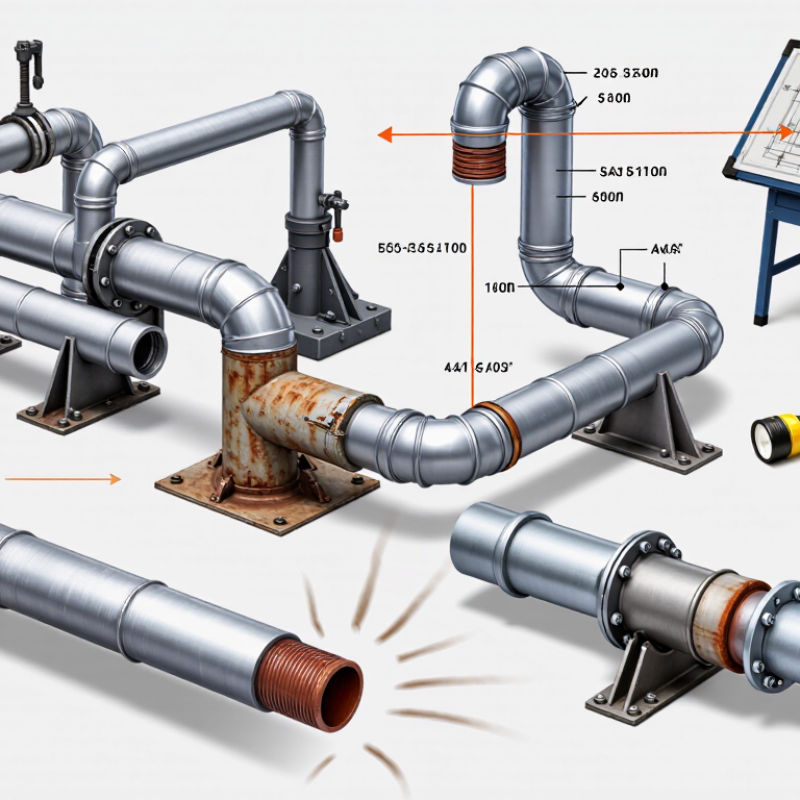
How Pipe Supports Function in Piping Systems
What Are Common Problems With Pipe Supports?
How Pipe Supports Function in Piping Systems
Pipe supports carry a pipe’s weight, contents, insulation, and operating loads while controlling movement. Shoes and hangers support vertical loads; guides keep the line aligned, while anchors limit movement at chosen points. This matters when a hot line expands. ASME B31.3 thermal-expansion data put carbon steel near 12 × 10⁻⁶ per °C under common design conditions. A 10-metre run heated by 100°C can grow about 12 millimetres. Small movement matters. Supports must allow that travel without letting the pipe sag, strike nearby steel, or overload a nozzle.
Common problems include misplaced guides, seized sliding surfaces, corroded steel, and spring supports set incorrectly. Too much restraint can transfer thermal stress into joints and equipment. Too little support can cause visible sagging or vibration. A neat drawing can still miss a field offset; checking clearances after installation is worth the extra time. Support spacing should follow the piping design, not a rule of thumb alone.
Tips: Check shoe contact, guide gaps, anchor condition, and spring travel during inspections. Compare cold and operating positions where practical. Record changes; memory is not a reliable measurement.
Common Types of Pipe Support Problems
Common pipe-support problems include corrosion, poor alignment, incorrect spacing, loose anchors, and excessive vibration. Corrosion often hides beneath clamps or insulation, where moisture collects against steel. NACE International’s 2016 IMPACT study estimated global corrosion costs at US$2.5 trillion annually, or 3.4% of global GDP. The study is not specific to pipe supports, but it shows why neglected corrosion deserves attention. Look for flaking metal, rust trails, and thinning around contact points. Small clues matter.
Movement problems can be less obvious. A guide installed too tightly may restrict thermal expansion, while a worn sliding surface can make a pipe stick and then shift suddenly. Poorly located supports may leave long spans sagging, stressing joints and connected equipment. Vibration can loosen bolts or fatigue welds, especially near pumps and compressors. Check anchor bolts, shoe plates, spring hangers, and gaps against the design drawings during inspections. Record changes with photos and measurements; memory is unreliable. That can be missed. A practical inspection also compares operating conditions with the original support assumptions. If loads, temperature, or equipment have changed, the old arrangement may no longer be suitable.
What Causes Pipe Support Problems?
What Are Common Problems With Pipe Supports?
What Causes Pipe Support Problems?
Pipe support problems often begin with incorrect assumptions about weight, spacing, or movement. A line carrying liquid weighs more than an empty one. Insulation, valves, and accumulated fluid add further load. If supports are spaced too far apart, the pipe may sag and strain nearby connections. Thermal expansion creates another challenge: a support that restrains movement in the wrong place can transfer force to welds, anchors, or equipment nozzles. ASME B31.3 addresses piping flexibility and support design, but field changes can leave the original analysis out of date.
Corrosion is a quiet cause. Moisture trapped beneath a clamp or pipe shoe can damage the contact area, while coating wear exposes metal. The NACE IMPACT study estimated global corrosion costs at US$2.5 trillion in 2013, about 3.4% of global GDP. That figure covers corrosion broadly, not pipe supports alone. Still, it shows why small, hidden corrosion zones deserve attention. Vibration also matters. Repeated movement can loosen fasteners and fatigue welds, especially near pumps or compressors. Sometimes the cause is less obvious than the damage.
Poor installation, unplanned modifications, and blocked drains can all change support loads. A field inspection should check for cracked welds, shifted shoes, loose bolts, standing water, and fresh rubbing marks. Look closely. A support can appear intact while quietly restraining thermal movement.
How Support Problems Affect Piping Systems
Pipe support problems can affect an entire piping system, not just the point where a bracket sits. Missing or poorly spaced supports allow pipes to sag, vibrate, or shift as fluid moves through them. Over time, this movement can strain joints, loosen connections, and damage insulation. Small movement matters.
Excessive restraint creates different risks. Pipes expand when hot and contract when cool, so rigid supports may transfer stress to welds, valves, and equipment nozzles. A misaligned guide can also prevent intended movement. The result may be noise, fatigue cracks, leaks, or unexpected loads on connected equipment. A support that looks sturdy is not always doing the right job. Inspection should consider pipe temperature, operating conditions, support spacing, and signs of wear, such as polished contact marks or rust around clamps. Field conditions can differ from drawings, so that detail deserves a second look.
Tips: Check for sagging, loose hardware, cracked welds, and crushed insulation. Compare support locations with current drawings, and ask a qualified piping professional to assess unusual movement or repeated vibration. Don’t tighten every clamp blindly; some supports must allow controlled movement.
Common Pipe Support Problems and Their Effects
Relative engineering impact rating (1 = lower, 5 = higher); ratings are qualitative, not measured incident statistics.
Why it matters: Incorrectly spaced, damaged, or poorly designed supports can allow excessive pipe movement, concentrate stress, increase vibration, and place additional loads on connected equipment. Actual effects depend on the piping design, operating conditions, and support details.
How to Inspect and Prevent Pipe Support Problems
Inspect pipe supports during every planned piping walkdown, not only after leaks or vibration complaints. Look for sagging spans, cracked welds, loose U-bolts, shifted shoes, and rust trapped beneath clamps. Check whether spring hangers move freely and whether cold and hot positions match the design marks. A support can look sound while a pipe quietly rubs against a beam. That detail is easy to miss.
API 570 sets a maximum interval of five years, or half the remaining life, whichever is less, for external visual inspection of piping; risk and service conditions may require shorter intervals. Record each support’s location, condition, pipe temperature, and movement, then compare findings with earlier inspection notes. Use photographs and consistent reference points. If a shoe has migrated or a hanger is binding, assess thermal growth and connected equipment loads before adjusting it. Don’t simply tighten everything. That can transfer stress elsewhere. Even experienced teams may overlook insulation hiding corrosion, so remove small inspection windows where appropriate and document what remains unseen.
FAQS
They carry the pipe, its contents, insulation, and operating loads. Shoes and hangers carry weight; guides control alignment. Anchors limit movement. Small shifts matter.
A 10-metre carbon-steel run may grow about 12 millimetres with a 100°C temperature rise. Supports must allow this travel without causing sagging or contact with nearby steel.
Common issues include misplaced guides, seized sliding surfaces, corrosion, loose hardware, and incorrectly set spring supports. A tidy drawing may still miss a field offset.
The pipe may sag, vibrate, or shift as fluid moves. Joints can strain, connections can loosen, and insulation may become damaged. Check for polished contact marks.
Hot pipes expand and cool pipes contract. Rigid or misaligned supports may transfer stress to welds, valves, and equipment nozzles. Tightening every clamp is not always safe.
Look for cracked welds, loose U-bolts, shifted shoes, rust beneath clamps, crushed insulation, and restricted spring movement. Check for rubbing against nearby beams, too.
Include them in planned piping walkdowns. External visual inspection intervals may be limited to five years or half the remaining life, whichever is shorter. Risk or service conditions may require shorter intervals.
Record each support’s location, condition, pipe temperature, and movement. Use photographs and consistent reference points. Compare cold and hot positions where practical. Memory is unreliable.
Conclusion
Pipe supports play an essential role in keeping piping systems stable, aligned, and able to handle their own weight, fluid loads, vibration, and temperature-related movement. When they do not work as intended, common problems can include loose or damaged supports, corrosion, excessive wear, misalignment, and restricted pipe movement. These issues may develop because of poor installation, unsuitable support selection, changing operating conditions, inadequate maintenance, or gradual material deterioration.
Understanding what are common problems with pipe supports helps teams spot risks before they lead to bigger system concerns. A failing or poorly positioned support can contribute to sagging, vibration, leaks, stress at joints, or damage to nearby equipment. Regular inspections should check support condition, attachment points, pipe alignment, signs of corrosion, and whether the pipe can move as designed. Prompt repairs, appropriate support selection, and routine monitoring can help maintain safe, reliable piping performance.

 Ampy Pipe